The Bottle
Created
2024
Origin
Firenze
The Golden Ratio. Balanced by nature. Beautiful by design.
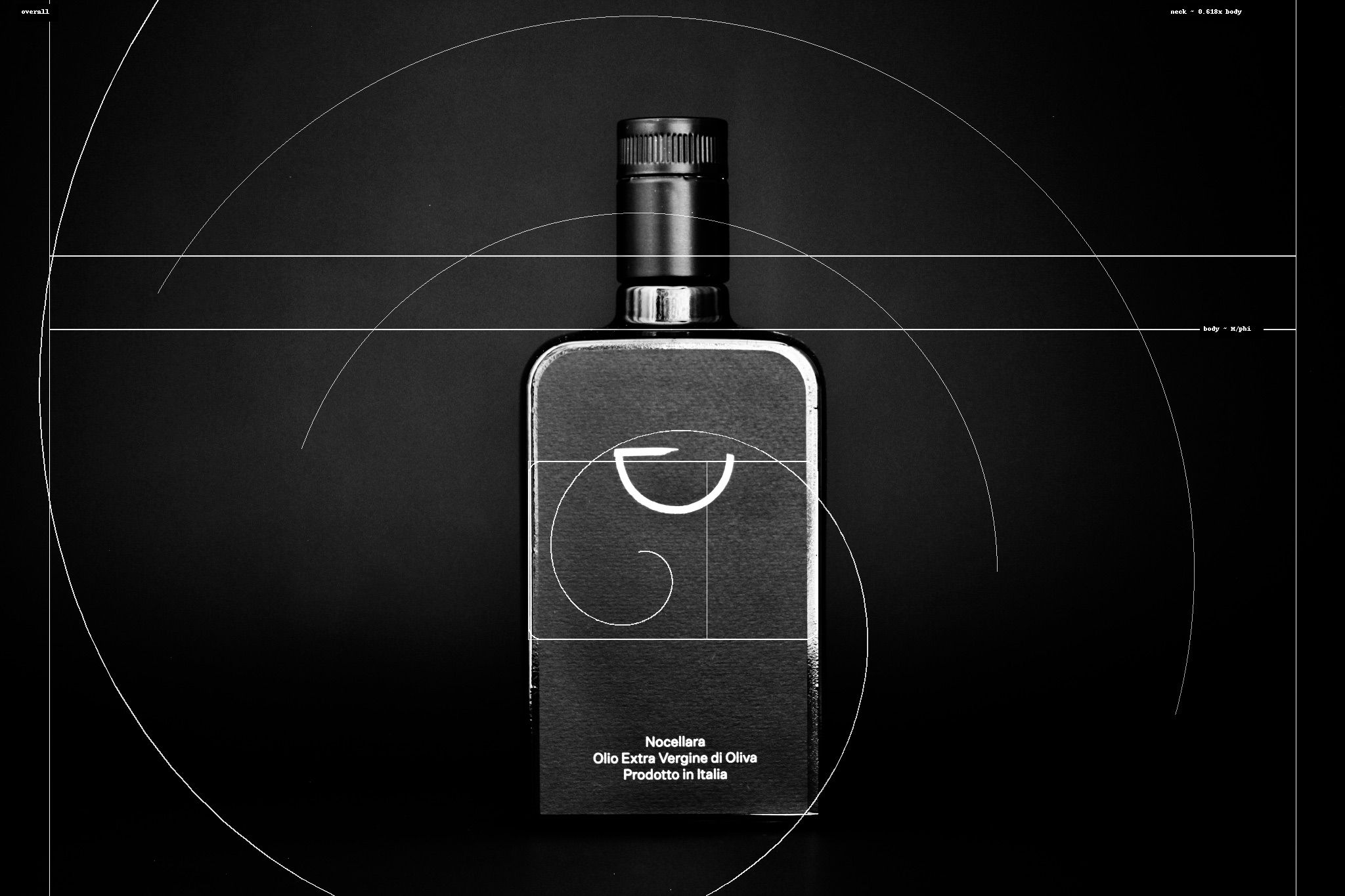
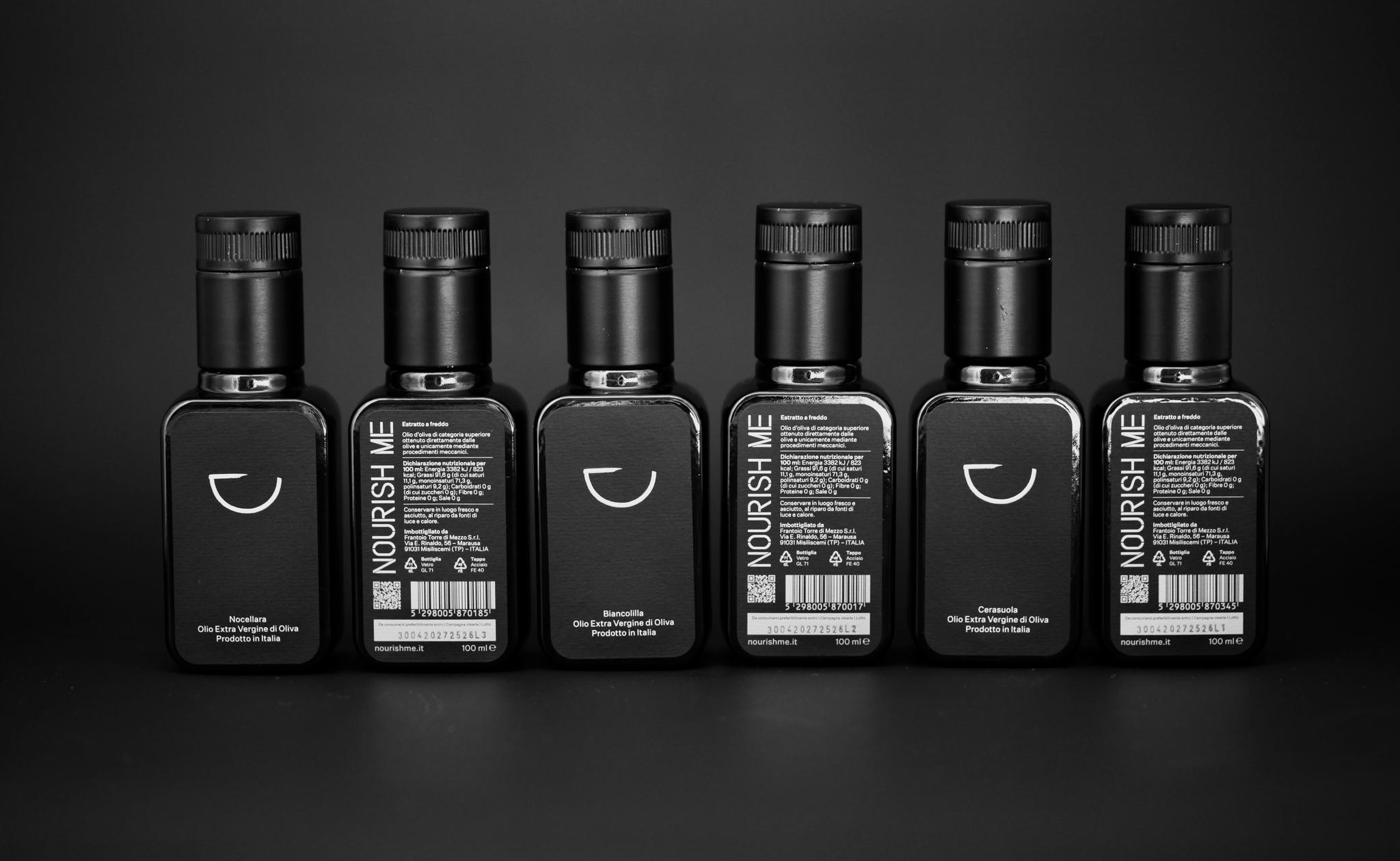
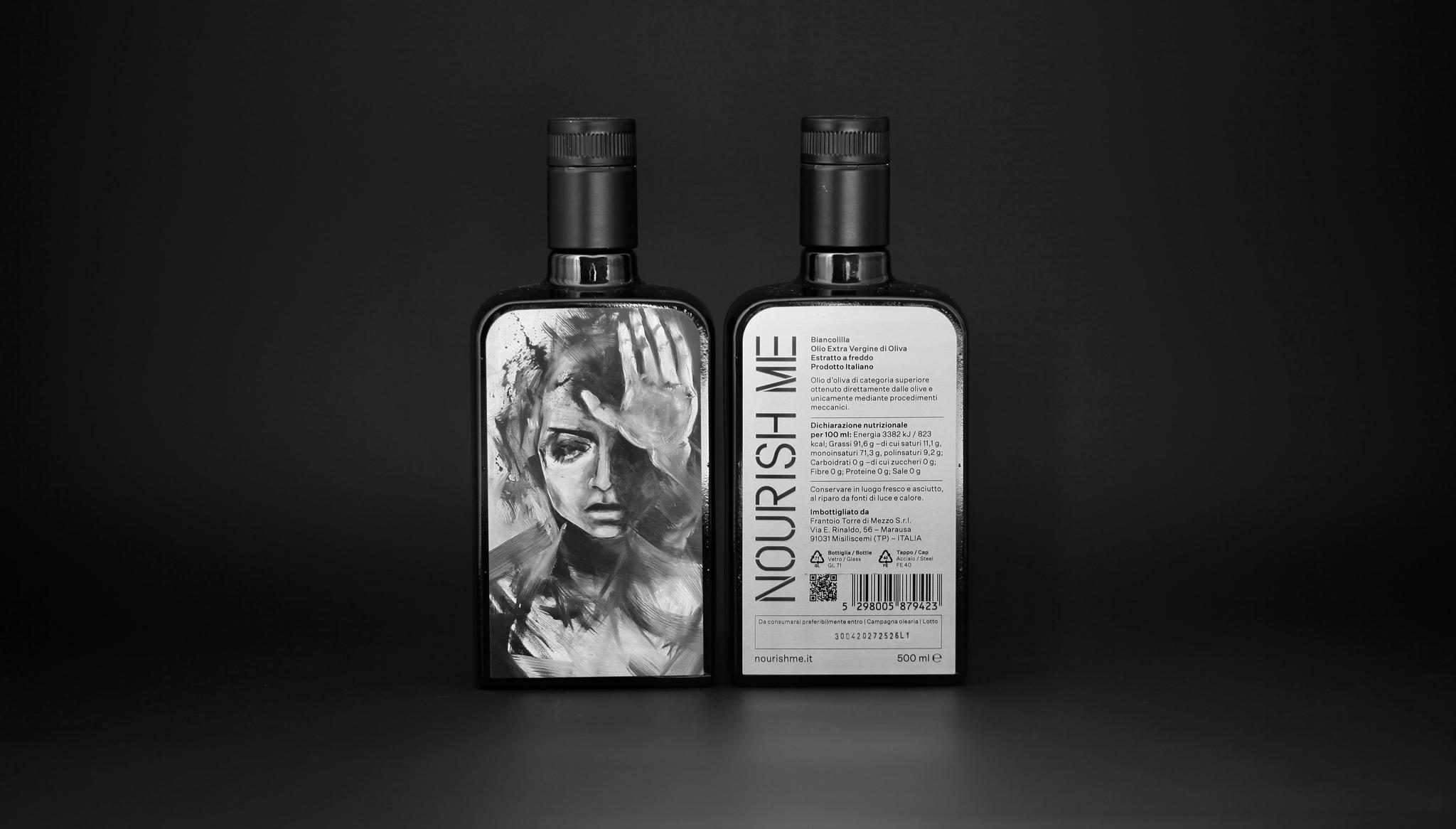
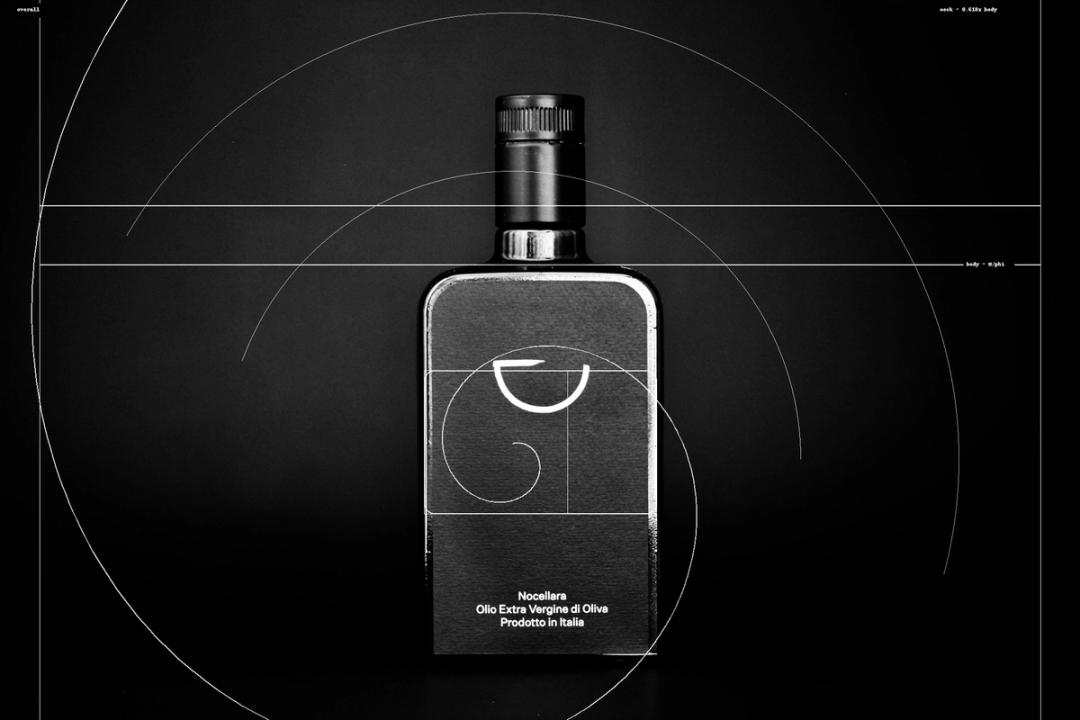
At the heart of the AUREA DOP collection is the soul of many of nature's most harmonious forms. The calculated search for the golden ratio in the AUREA DOP leads to a stylistic rigor and simplicity of form which defines a bottle of character and beautiful style.
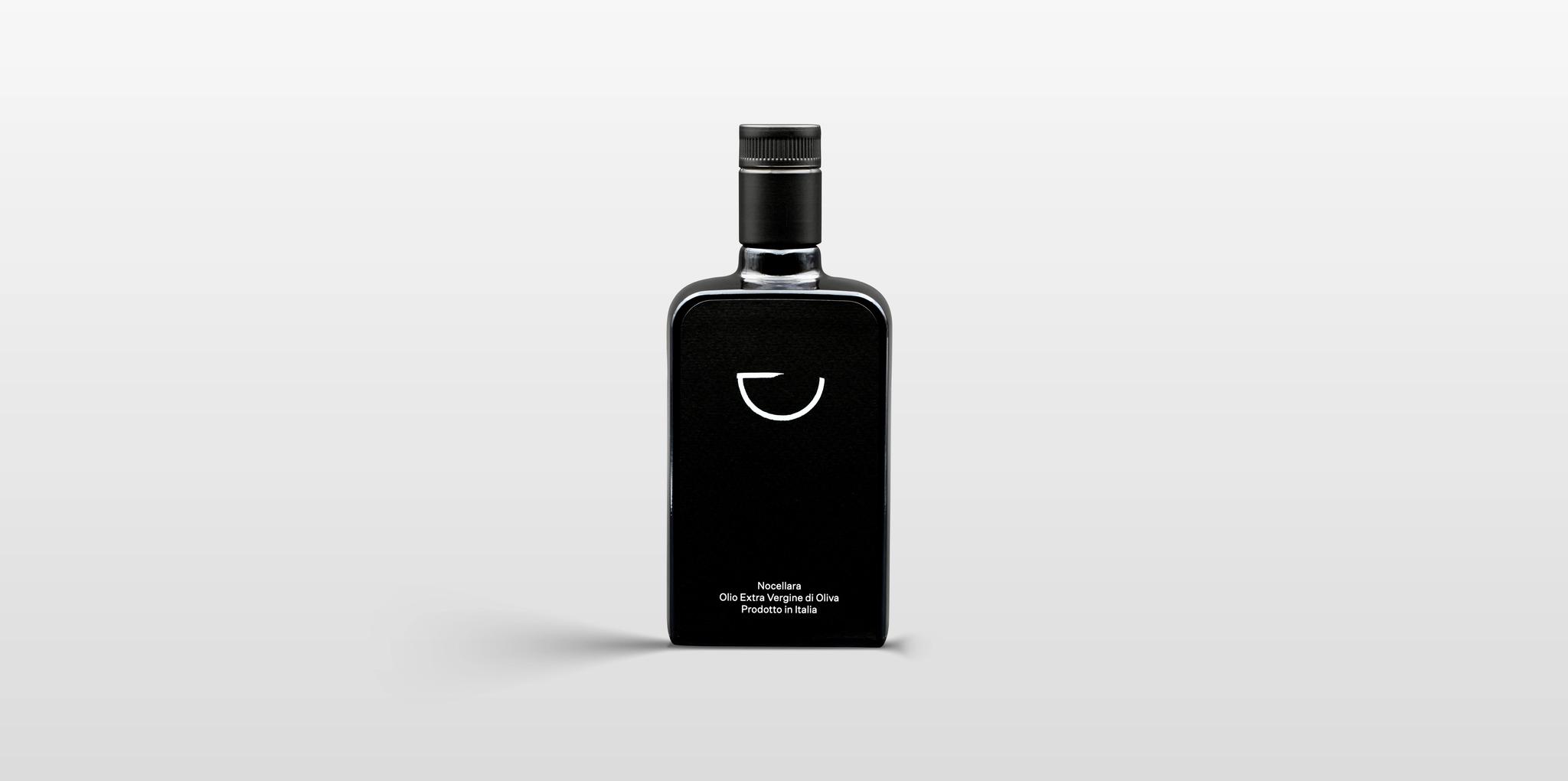
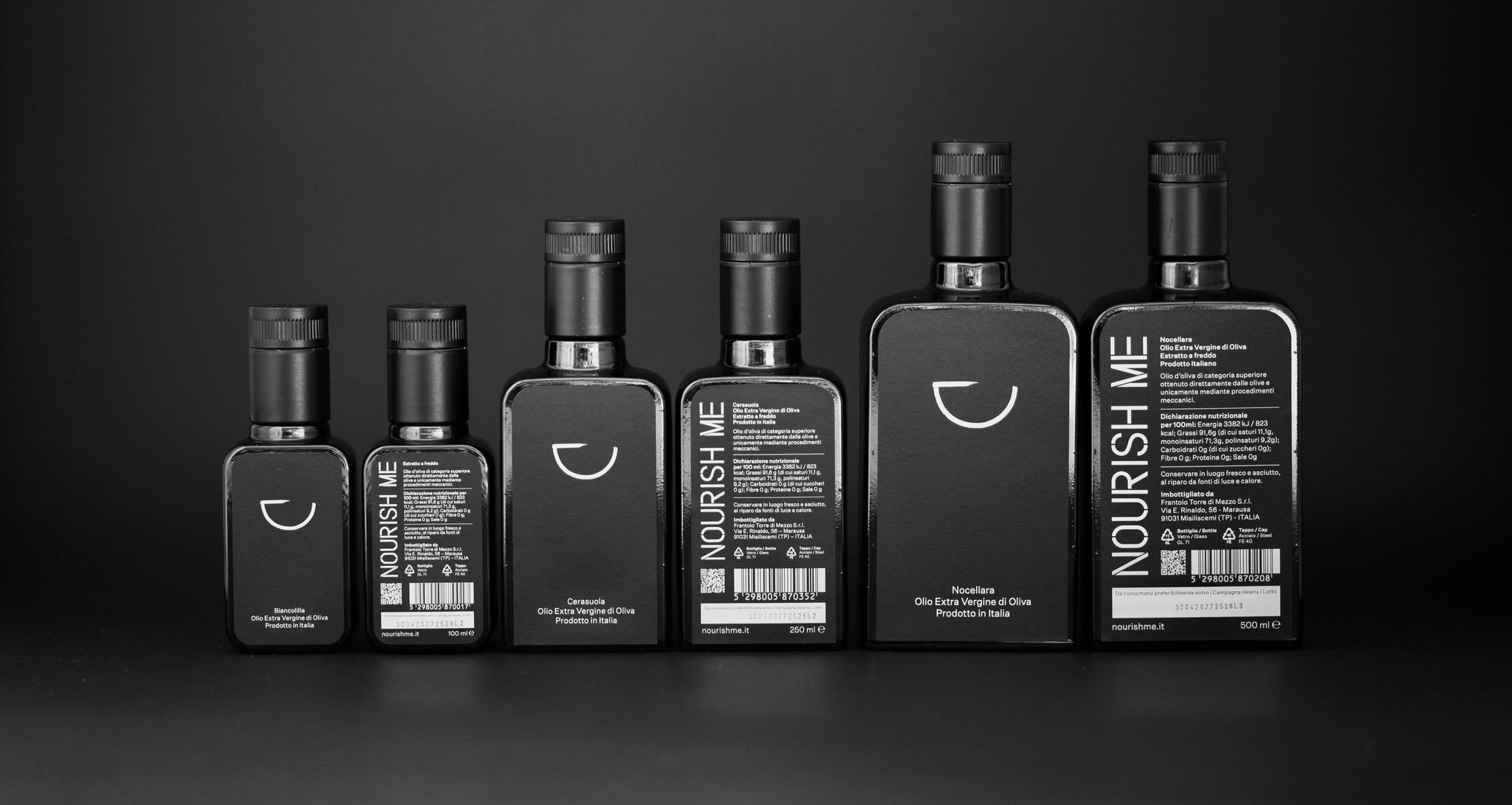
Beauty feels effortless when proportions are harmonious. Our bottle was imagined and designed with the Golden Ratio—phi, about 1.618—the same relationship that appears in sunflower heads, seashells, and unfurling ferns. We tuned the height to the width by phi so the silhouette stands poised, neither too squat nor too tall. The shoulder’s radius follows a golden spiral, easing the eye around the form while strengthening the glass. The neck steps from the body at a golden division for a secure grip and a clean, controlled pour. Even the label’s margins and icon align to a golden grid, creating quiet order and generous breathing room.
Why phi? Because nature uses it to solve practical problems beautifully: seeds pack more efficiently, petals gather more light, shells grow without changing shape. That same calm intelligence guides this bottle. Pick it up and you’ll feel it—balance you can’t quite explain but instantly trust. Design, distilled to the proportions the natural world prefers.
The Creator
Established
1920
Location
Firenze
1920 - 1950
Memories
The history of Vetreria Etrusca began in Empoli (FI) in 1920 when it was a small company producing glass almost exclusively for the associated companies in the Empoli area that covered flasks, demijohns and all the containers used in the production of wine and olive oil.The choice of the name ‘Etrusca’ was not by chance, linked as it is to the enthusiastic revaluation of the Etruscan glassmaking art that took place in the twenties.In 1928, when Vetreria Etrusca changed location and became a joint stock company called Società Anonima Etrusca, it started producing artistic glass in the traditional Empoli green colour.
1951 - 1960
Innovation
1951, a small artisan company called Cooperativa Operai Vetrai was founded in Montelupo Fiorentino for producing straw covered flasks for the wineries in the surrounding Chianti territory, according to an ancient tradition dating back to the Tuscan Renaissance. The company was managed by Giovanni Bartolozzi. Intuition, ingeniousness, research and innovative development all formed part of the spirit of a company that over the years has gone on to become a leading business.In 1958 the Cooperativa Operai Vetrai C.O.V. took over the business of Società Anonima Vetreria Etrusca and its registered name. It was thus able to increase its production thanks to the first large furnace, the semi-automatic machinery, and the expertise of the operators who had stayed on to work in the glass factory.Between 1958 and 1960, Giovanni Bartolozzi created and patented original techniques for covering the flasks, radically revolutionising the production processes. Already by the end of the decade, the melting furnace had been refurbished to meet the growing production demands. This was the start of a successful and progressive growth cycle.
1960 - 1970
Creativity
Creativity was what the company evolved around. Giovanni Bartolozzi designed shapes, sizes, bottle volumes, containers, jars personally with an original, exclusive touch. The ongoing search for new proposals led to the Fantasie. A product series inspired by the idea that drink or food containers, after use for their specific purpose, can become something else: table lamps, candlesticks, oil dispensers and lots more ornamental and useful items. With this creative touch the small enterprise, originally just satisfying local demand, acquired more space standing out for originality and product innovation. Thus Vetreria Etrusca opened to international markets, exporting its creations overseas and really expanded.
1970 - 1980
Growth
Growth starting in the 70s, was to take Vetreria Etrusca well over its country’s borders. From 1976 to 1986, Vetreria Etrusca exports increased tenfold. The company expanded, beyond European markets, to the United States, Japan and Australia. These were the years of new projects, like Vetrocasa: items for home use; useful, functional, with a high market demand. Those years led to Tuscia, the first oil bottle with a handle, to be reused after the product had finished. A true invention. A small really modern item which was to become, twenty years later in 1990, the symbol of the global oil year. The company’s strategic choice was to make innovation an uninterrupted ongoing factor. A way to combine growth and creativity; a forward-looking project.
1980 - 1990
Development
The 80s were when the company offered original shapes for oil bottles and jars for preserves and pickles. The productive growth’s key element was to add value to content through the container. Vetreria Etrusca targeted the bond between the production of high quality glass and the excellence of Italian food products. Collaborations started with important brands in the sector. In 1985, Vetreria Etrusca received the Caterina de’ Medici award for having contributed to the popularization of quality Italian food products on international markets.
Vetreria Etrusca expanded its productive structure acquiring other plants in the area and specialised in product personalisation. This research into "special products" was to become a winning intuition, responding to growing demand
2000 - 2015
The Change
At the start of 2000, Vetreria Etrusca was leader in the oil and vinegar segment, had an important position in the spirits and liquors segment and was a reference company in the special jars one. It felt a need to complete its offer by turning to the wine segment, with its need for increasingly sophisticated, elegant products. So it designed a new product line in a particularly intense, elegant colour, Verdetrusco, allowing it to add value to and protect contents.
In 2003, it inaugurated the company’s new head office in Montelupo Fiorentino. A truly special architectural project. An expense of glass bottles covering the outer facades, evidence of how precious glass is, as the constructive element of a story stretching upwards.
Another fundamental step in 2009: radical renovation of the Altare plant. Furnace demolition and reconstruction took production capacity up to 200 tons a day. The new plant has all the most cutting-edge technology. Integrating the plant into the territory and eco-compatibility become strategic choices.
The new production structure increased the company’s offer. This led to the lines for the champagne and sparkling wine world and for up-market beer. Proposals with those creativity and versatility pluses that are characteristic of the Vetreria Etrusca market position.
2016 - 2024
The Evolution
In 2016 Vetreria Etrusca installed a second furnace dedicated to clear glass (Extrabianco and Mezzobianco) in its factory at Altare, while still continuing to produce Verdetrusco glass in the first furnace. The new “Centauro” furnace is designed to reduce environmental impact to a minimum. Production has therefore passed from 4 to 7 IS lines. A wager based on the company’s entrepreneurial intentions, representing an important milestone in the growth curve of Vetreria Etrusca.
Up to 16 different types of items are produced every day in the factory at Altare for a sample range of over 1,000 different models including bottles for still wines, sparkling wines, spirits, olive oil, vinegar, beer and jars for foodstuffs, as well as personalised containers.
History continues to make Vetreria Etrusca a star among the strictly ‘Made in Italy’ manufacturing companies, reaching far beyond the idea of a simple production company, to become instead a laboratory of research and innovation, with special focus on eco-sustainability and the ongoing expansion of the most stimulating production offers for the market: in other words, a factory of transparent ideas with its eyes on the future.
In 2018, Vetreria Etrusca continued its innovation journey with a significant investment dedicated to the renovation of the first furnace used for producing the renowned Verdetrusco glass. This intervention increased the production capacity, but most importantly, it was carried out with a clear focus on energy efficiency and environmental impact reduction.
In 2020, the company marked another crucial step in its commitment to sustainability by installing a DeNoX system, one of the first in Italy. This technological innovation allowed Vetreria Etrusca to achieve an ambitious goal: a 40% reduction in NOX emissions compared to the limits set by European regulations.
In 2022, Vetreria Etrusca took another fundamental step towards environmental sustainability by installing a photovoltaic system with an annual capacity of 3,000,000 kWh over an area of more than 12,000 square meters. This strategic environmental investment allows for a reduction of over 750 tons of CO2 emissions per year, further strengthening the company’s commitment to a more sustainable future.
Thanks to these investments, Vetreria Etrusca confirms its role as a leading player in the industry, combining the tradition of glassmaking with cutting-edge technological innovation and environmental protection.
Historical Brand
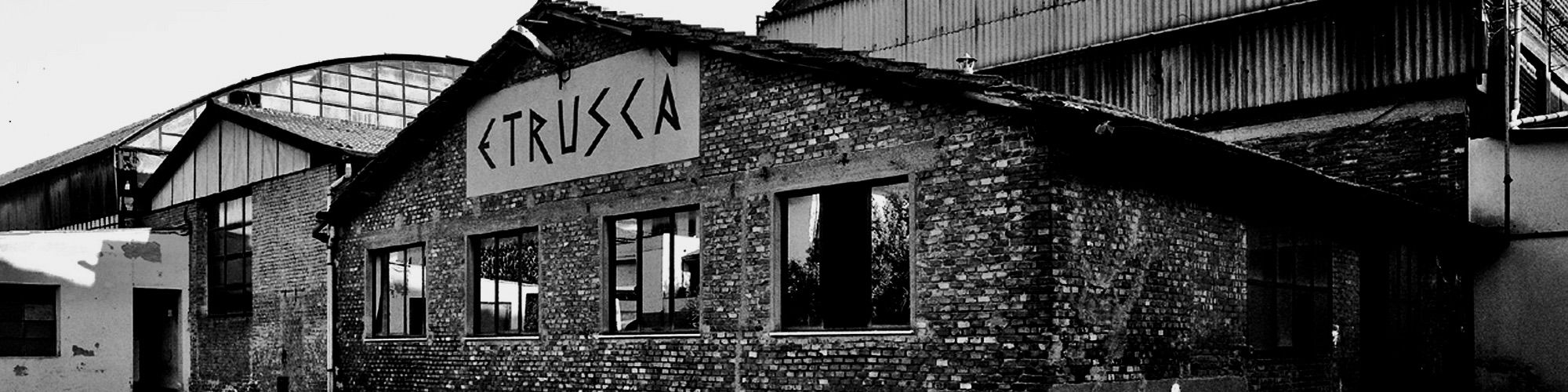
Vetreria Etrusca has been granted an entry of its trademark logo into the Register of Trademarks of National and Historical Significance, maintained by the Ufficio Italiano Brevetti e Marchi (UIBM), which recognises the excellence of companies of Historical and National significance to Italy

THE ARTIST
→
THE BOTTLE
→
THE PASTIFICIO
→
THE OIL MILL
→
The Bottle
Why phi? Because nature uses it to solve practical problems beautifully: seeds pack more efficiently, petals gather more light, shells grow without changing shape. That same calm intelligence guides this bottle. Pick it up and you’ll feel it—balance you can’t quite explain but instantly trust. Design, distilled to the proportions the natural world prefers.
Olive Oil
→
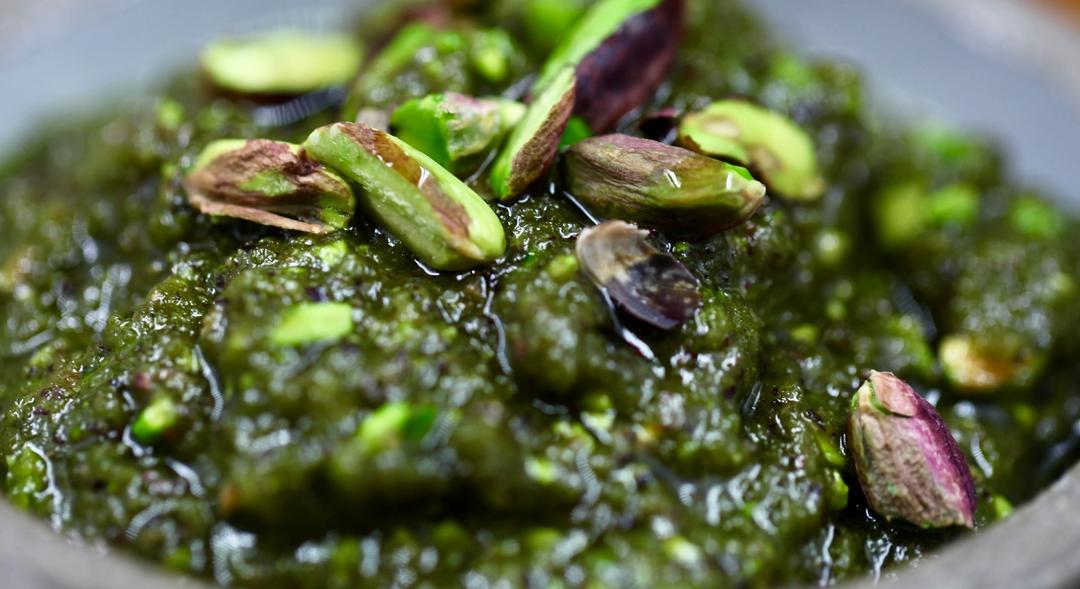
Pesto & Sauces
→
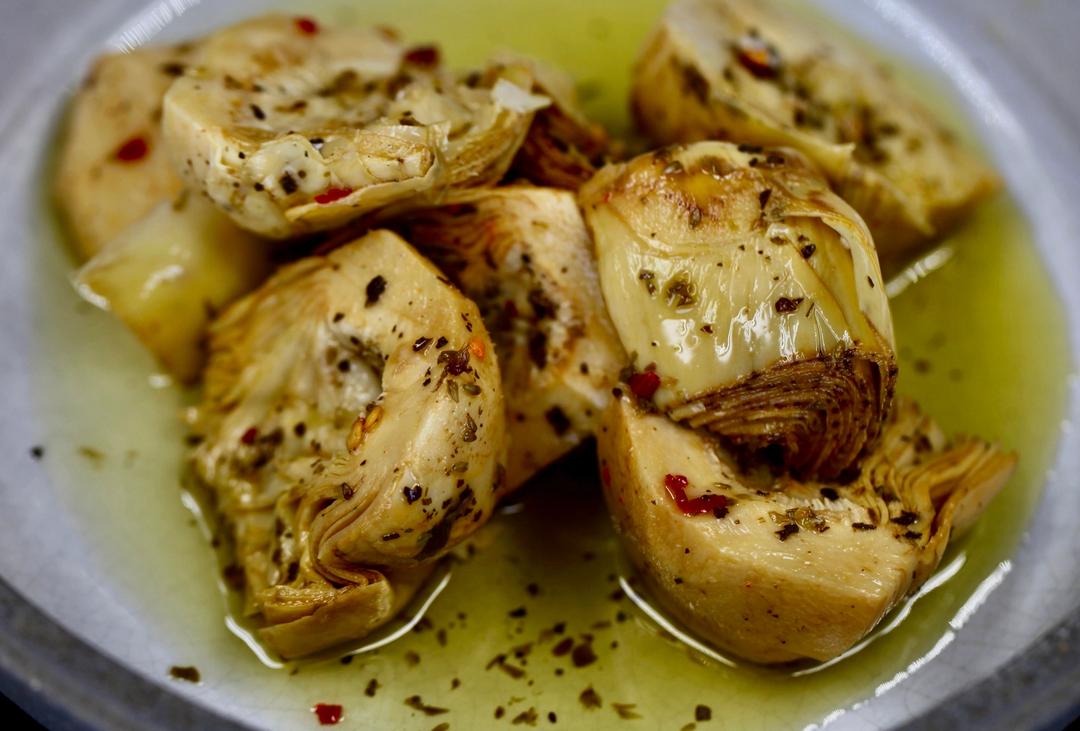
ANTIPASTI
→
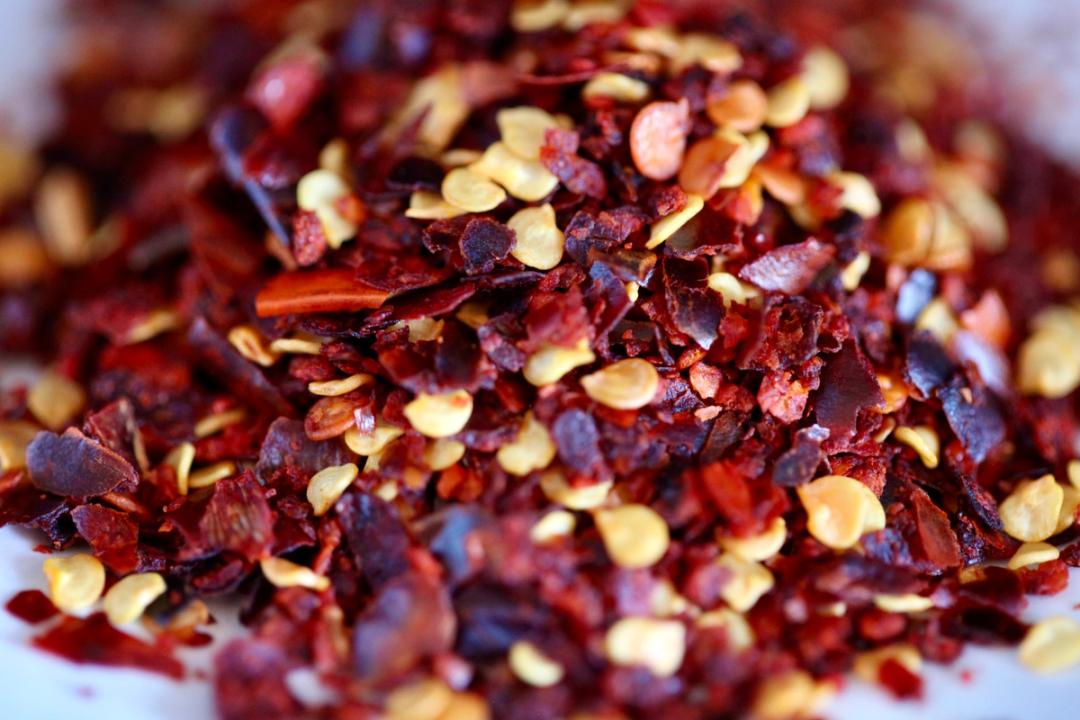
Herbs & Spices
→
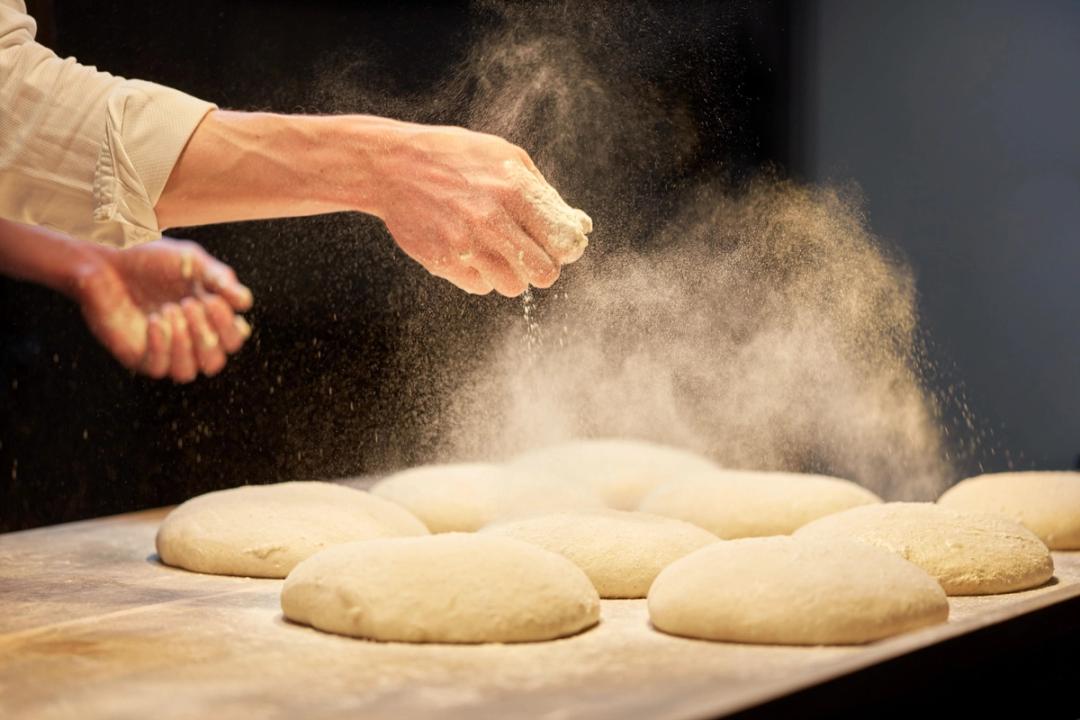
Artisanal Flour
→
Artisanal Pasta
→
Olives
→
Capers
→
Nuts & Dried Fruit
→

Salt
→

SICILIAN SWEETS
→
Honey
→