Frantoio Torre di Mezzo
Golden Sicilian sunlight, ancient olives, and sea breezes unite at Torre di Mezzo—where tradition and love press liquid poetry.
Golden Sicilian sunlight, ancient olives, and sea breezes unite at Torre di Mezzo—where tradition and love press liquid poetry.
1975

In the golden light of the Sicilian coast, in the wheat-coloured hills around the village of Marausa (near Trapani), there stands an olive-mill that whispers of earth and sea, of sun and stone. This is the home of Frantoio Torre di Mezzo.
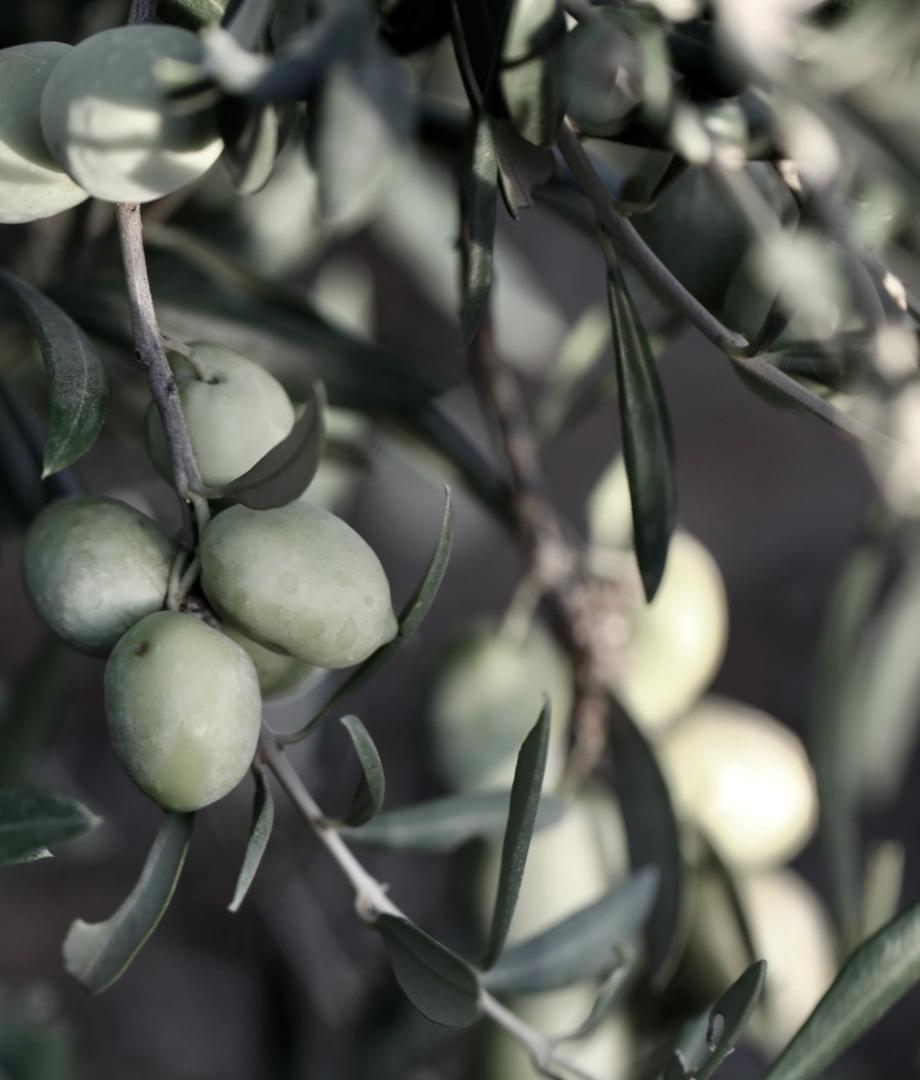
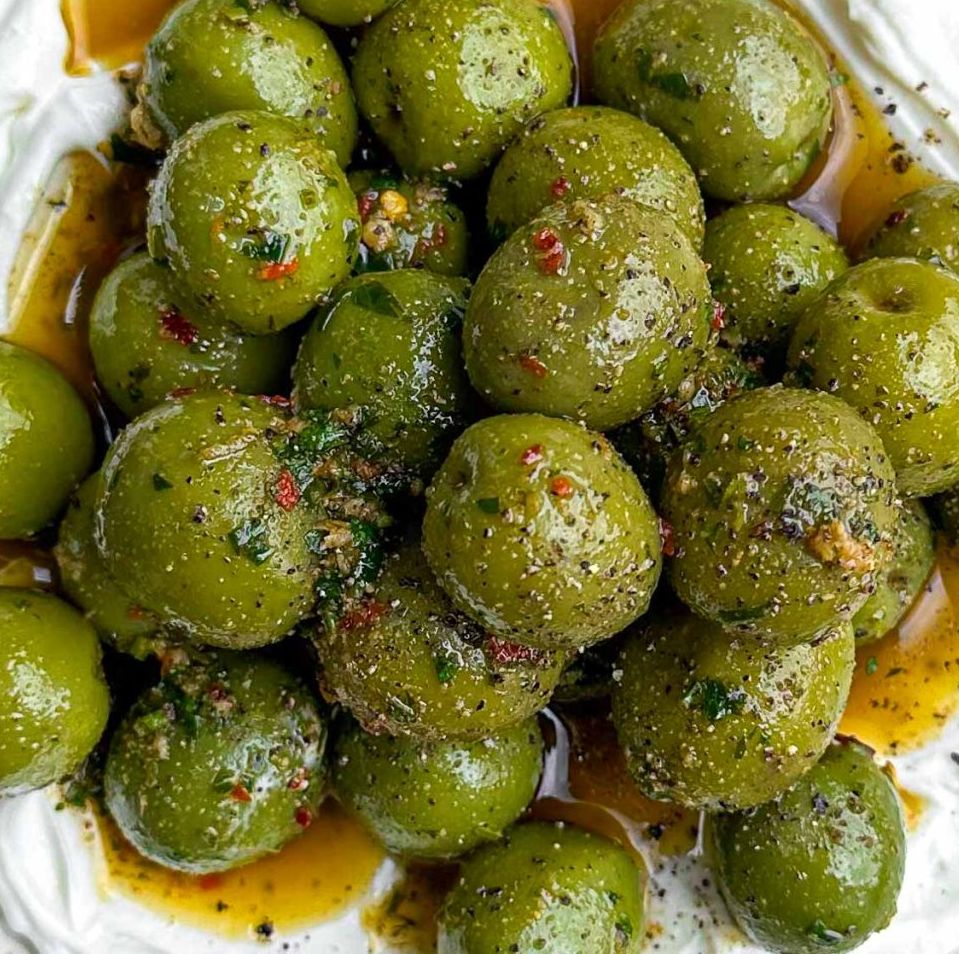
Imagine the olive trees, silvery-green, their leaves trembling in the warm coastal breeze, their roots deep in the red volcanic soil that runs toward the sea. For generations the farmers have loved and tended these trees: gentle pruning, late-autumn harvests, the crates filled with olives shimmering like little green moons.
At the same time, the name “Torre di Mezzo” carries its own echo of time: Marausa was once home to a coastal watch-tower, the “Torre di Mezzo”, part of the system of look-out towers guarding the Sicilian coast from old-world threats. So the mill’s name evokes place, heritage, continuity.
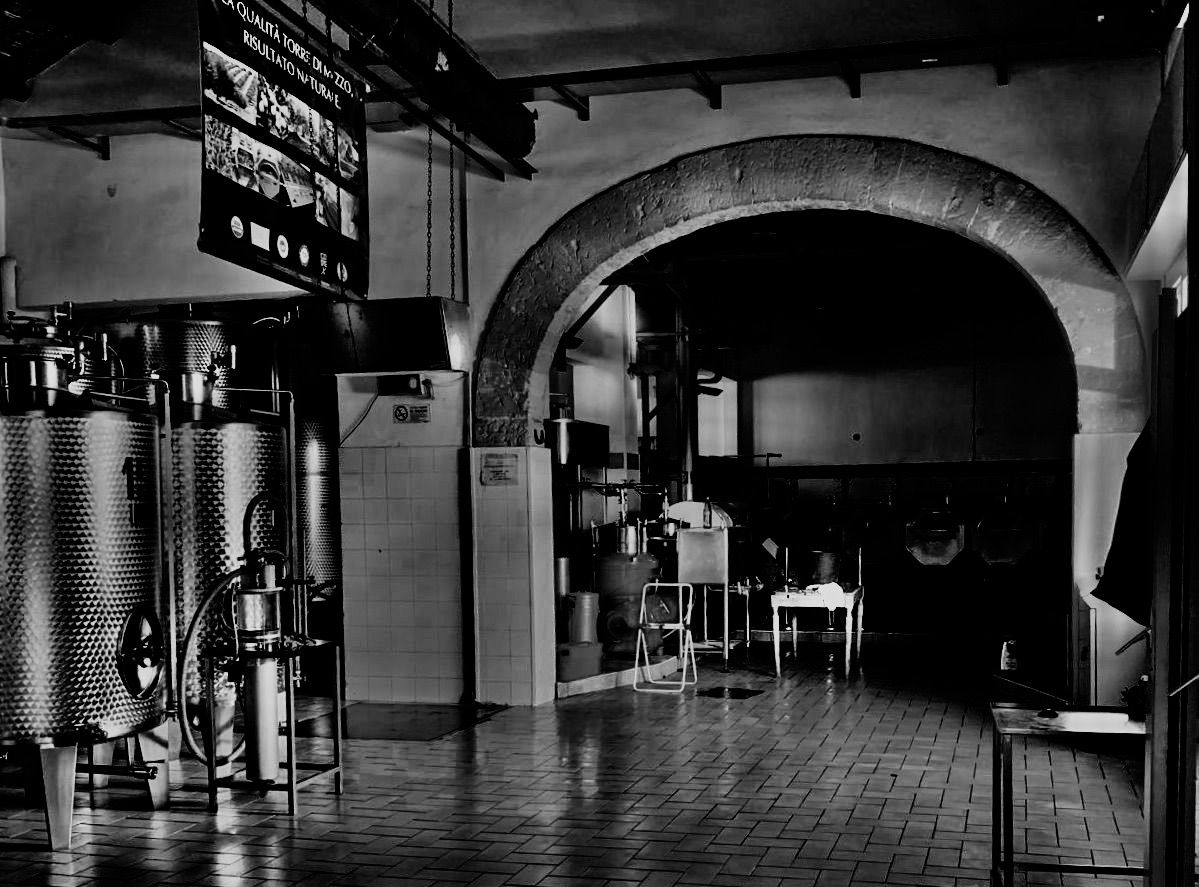
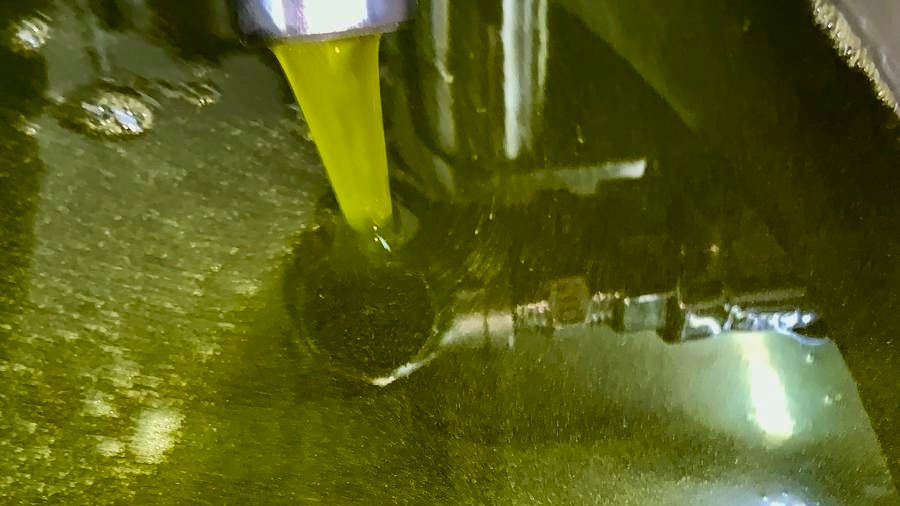
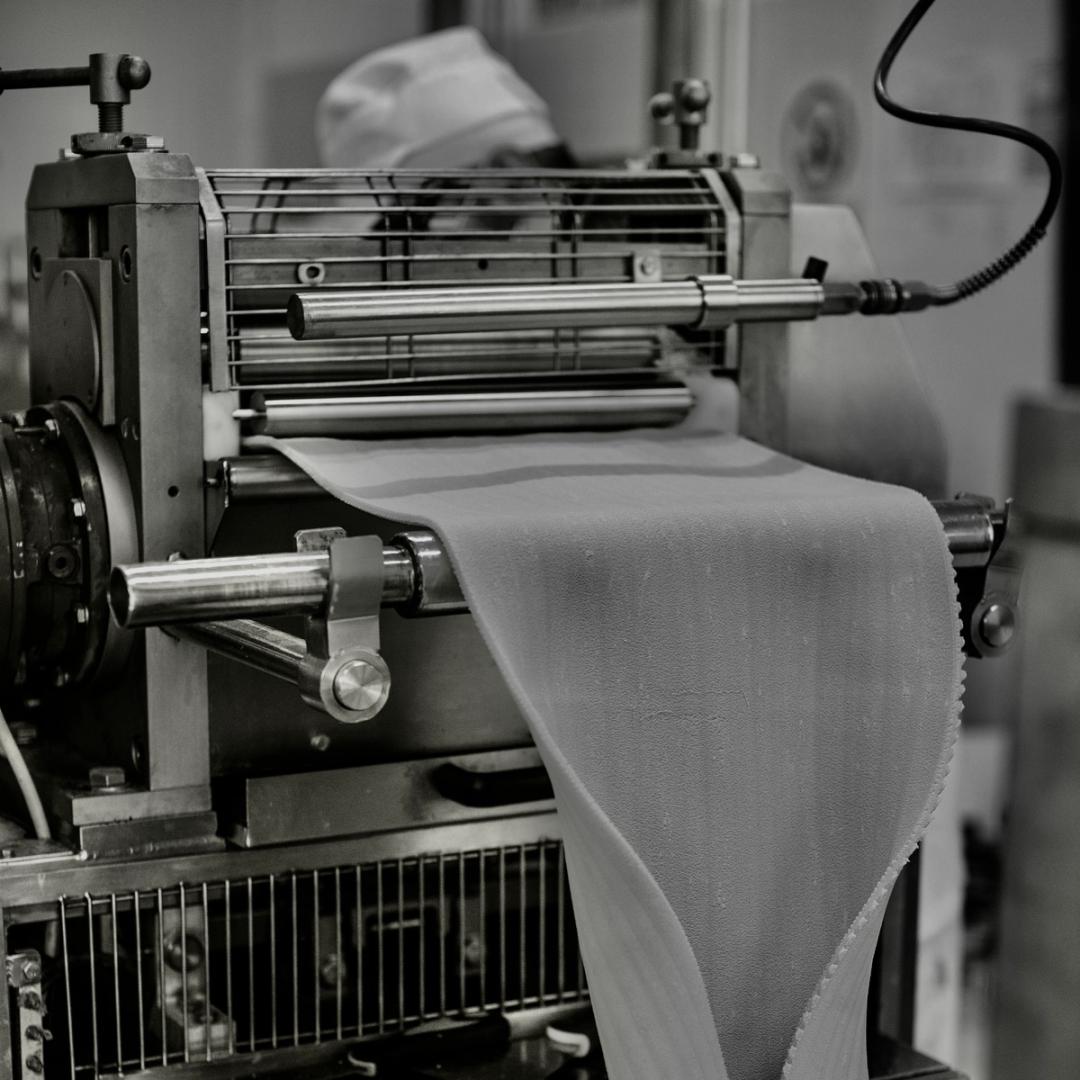
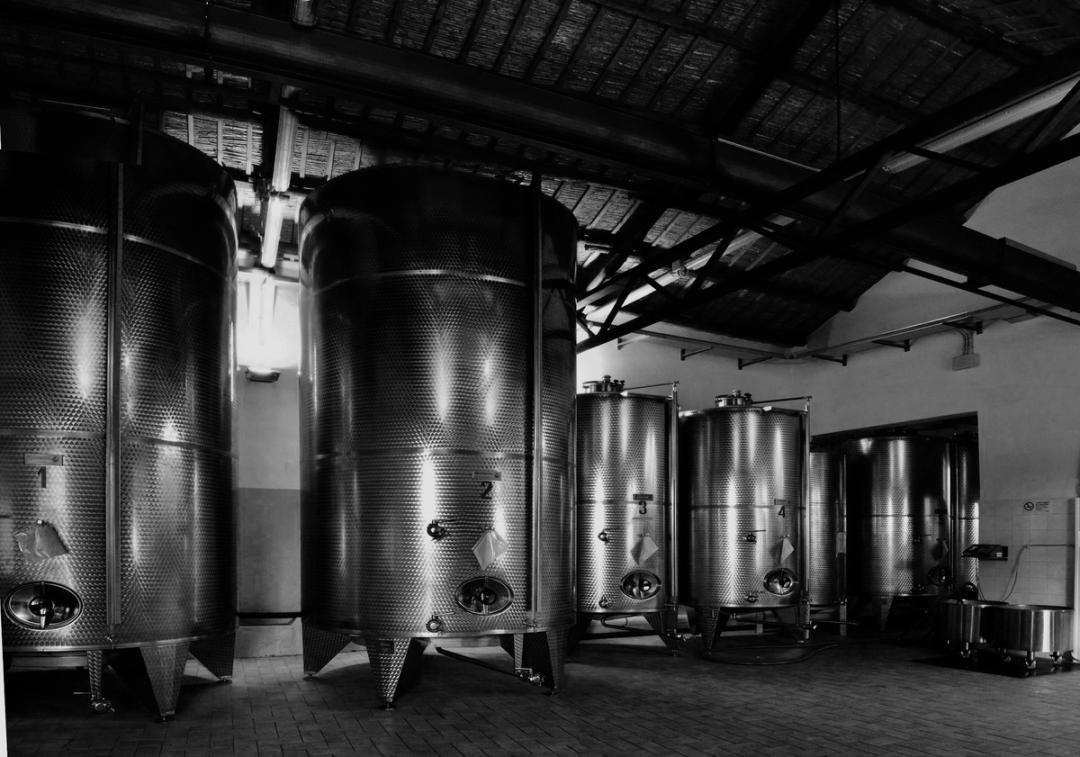
When the olives ripen and the air hums with their scent, the harvest begins. The crates move quickly to the mill. Here mechanics hum too: modern decanters, stainless-steel tanks, the finest presses all in the name of preserving flavour and purity. The story of Frantoio Torre di Mezzo is one of merging tradition and technology: honoring the seasons, the land, the tree — and doing so with care.
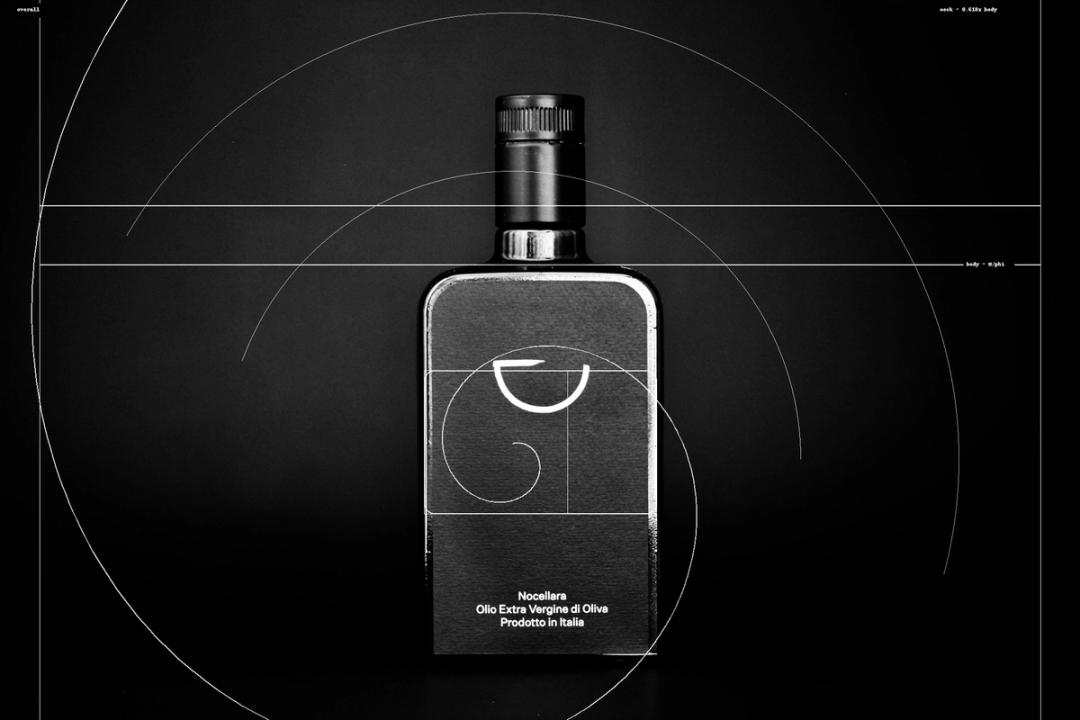
Bottle by bottle, the silky green-gold oil carries the story of Marausa’s light, the sea’s salt on the air, the long summer shadows of the olive groves. It’s an offering: from soil to bottle, from tree to table. Through the efforts of the people who run the mill, the orchards, the packaging — the narrative remains one of devotion.
Beyond production, there is pride: the company is part of the DOP “Valli Trapanesi” identity, signaling its link to place and quality. This is a picture of a family or local-rooted enterprise that chose to build its own mill, to bottle its own oil, to share the uniqueness of this land.


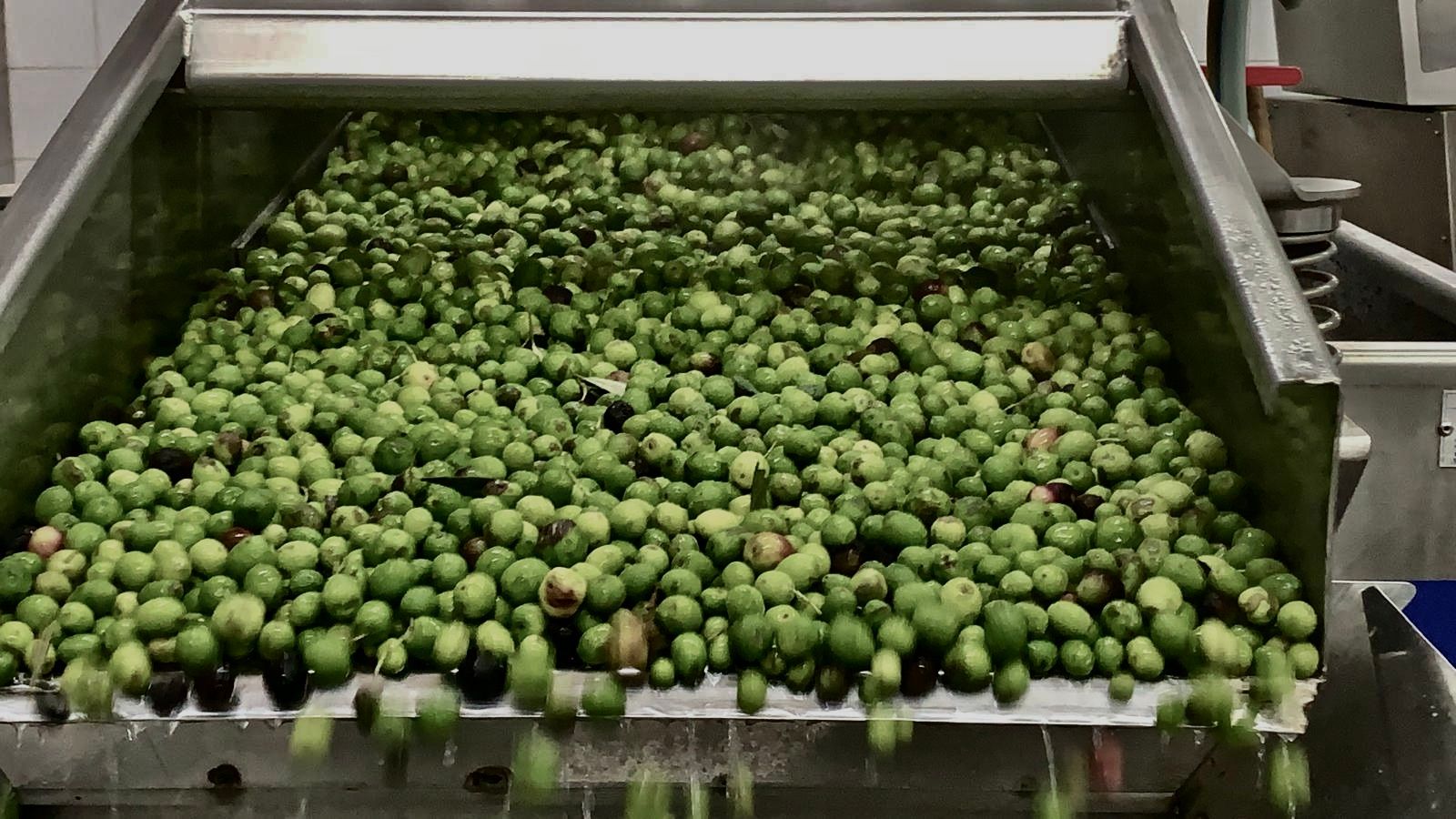


where the land finds its voice—stones turning, stories gathering, and every harvest becoming something worth remembering.